Policy innovation: proportionate, risk-based regulation
Advancing tobacco harm reduction (THR) in LMICs requires a shift from prohibitionist approaches toward smart, proportionate regulation that reflects public health priorities rather than moral or ideological positions. Proportionate, risk-based regulation recognises that not all nicotine products pose the same level of harm [^1].
Cigarettes, which involve combustion, remain the most dangerous form of nicotine delivery, whereas products such as e-cigarettes, heated tobacco, nicotine pouches, and low-nitrosamine snus present significantly lower health risks. Effective policy innovation, therefore, seeks to govern these products according to their relative risk.
In practice, a risk-proportionate framework can include a combination of differentiated taxation, product quality controls, and clear marketing and age restrictions. Differential taxation is particularly important: by setting lower excise taxes on safer nicotine products compared with combustible tobacco, governments can create a financial incentive for to switch while still discouraging uptake among non-smokers. At the same time, robust product standards help ensure that only verified, high-quality products are available in the market. Enforcing age restrictions and responsible marketing rules protects youth, while public education helps prevent misinformation and misuse.
Countries such as the United Kingdom and New Zealand provide strong examples of how this model can work. The UK’s approach integrates safer nicotine products into national tobacco control policy, with public health agencies endorsing vaping as a harm reduction tool for people who smoke.
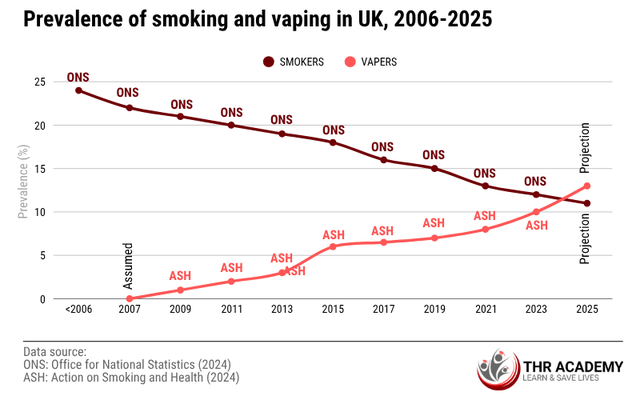
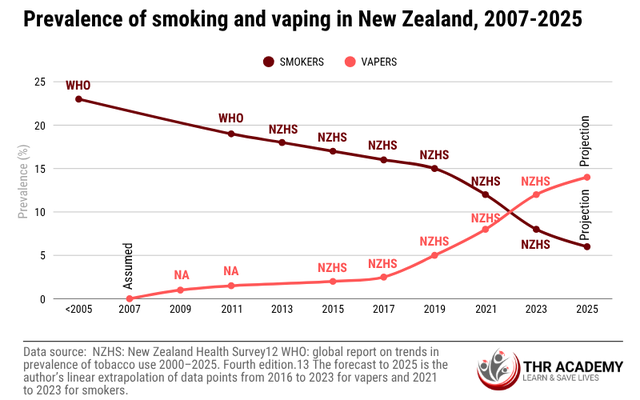
New Zealand’s Smokefree 2025 strategy similarly applies differentiated regulation, allowing access to safer products while progressively reducing the availability of combustible tobacco. These experiences demonstrate that risk-proportionate regulation can coexist with strong public health protection, reducing smoking rates without promoting nicotine use among those who have never smoked.
For LMICs, adopting and adapting such frameworks requires careful consideration of local contexts. Many countries face challenges of weak governance, limited enforcement capacity, and competing public health priorities. Policymakers must weigh economic realities, including the affordability of safer products and the influence of illicit trade, when designing regulation. Incremental reforms, such as establishing import standards, defining product categories, or piloting harm reduction initiatives, can serve as practical first steps.
What matters most is that regulation moves from a position of blanket prohibition to one of balanced oversight, protecting public health while acknowledging the potential of safer nicotine products to reduce the burden of smoking-related disease.
-
Saitta D, Ferro GA, Polosa R. Achieving appropriate regulations for electronic cigarettes. Ther Adv Chronic Dis. 2014 Mar;5(2):50-61. doi: 10.1177/2040622314521271.