Integrating THR into health and social service programmes
THR works best when it is part of existing health and social services, rather than a stand-alone approach. When THR is kept separate from mainstream health programmes, it reaches fewer people and is harder to sustain. Integrating THR into routine services allows governments to use existing systems and ensures people who smoke receive consistent support.
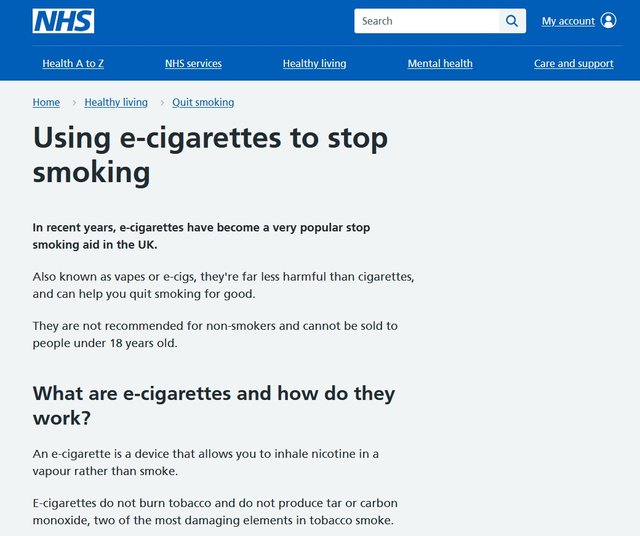
The United Kingdom provides a practical example. The National Health Service (NHS) includes safer nicotine products within smoking cessation services, offers clear guidance on relative risk, and supports people who smoke who choose to switch away from cigarettes [^1].
Many groups with high smoking rates already have regular contact with health or social services. These include people living with HIV or tuberculosis, individuals with mental health conditions, and people who use drugs. Many of these programmes already use harm reduction approaches, focusing on reducing risk rather than insisting on complete abstinence. Adding nicotine harm reduction into these settings is therefore a practical extension of existing practice.
For example, HIV clinics could provide information about safer nicotine products alongside smoking cessation advice, while outreach teams working with people who use drugs could include nicotine harm reduction as part of their routine support. This helps address smoking without adding new barriers or services.
Integration also supports health equity. In many LMICs, people who smoke face poverty, stigma, and limited access to cessation support. When THR is delivered through routine health services, it becomes accessible beyond urban or wealthier populations. Safer nicotine products are then seen as part of normal care, rather than as niche or informal options.
Health workers are central to this process. Training doctors, nurses, pharmacists, and community health workers to understand THR helps shift how smoking is addressed. Instead of viewing people who smoke as people who have failed to quit, practitioners can support realistic steps to reduce harm, including switching away from combustible tobacco.
From a system perspective, integration improves sustainability. Governments can rely on existing supply chains, training structures, and data systems rather than creating new programmes. This makes THR more practical, affordable, and scalable in resource-limited settings.